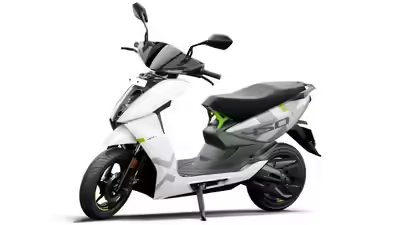











The Delhi government has approved the new Delhi EV Policy 2026, introducing a series of incentives aimed at accelerating the adoption of electric vehicles by gradually reducing the use of petrol-powered vehicles. The policy is effective from July 1, 2026 and will be valid until March 31, 2030.One of the biggest highlights of the policy is the 100 percent waiver of road tax and registration fees for individual buyers buying electric cars below Rs 30 lakh. This effectively reduces the initial cost of owning an EV in the capital. However, buyers planning to buy electric vehicles priced above Rs 30 lakh will not be eligible for this exemption and will have to pay applicable taxes and registration fees.Besides passenger vehicles, the policy also extends financial support across multiple EV segments. Buyers of electric two-wheelers can avail subsidies up to Rs 30,000 and electric three-wheelers up to Rs 50,000. Buyers of N1 category electric goods carriers can get incentives of up to Rs 1 lakh, encouraging businesses to switch to cleaner commercial transport.The government has also allocated significant funds for scrapping incentives to encourage owners of older internal combustion engine (ICE) vehicles to switch to EVs. Depending on the category of the vehicle, the incentives range from Rs 5,000 to Rs 1 lakh. Under the policy, buyers who scrap an old petrol or diesel four-wheeler can get Rs 1 lakh, two-wheelers Rs 10,000, three-wheelers Rs 25,000 and N1 commercial trucks Rs 50,000.Apart from financial incentives, the policy lays down a roadmap to phase-in registration of new petrol vehicles. From January 1, 2027, only electric three-wheelers and N1 category cargo carriers will be allowed for new registration in Delhi. A bigger change will take place on April 1, 2028, when registration of new petrol motorcycles and scooters will stop in the National Capital Territory.It should be noted that the restriction applies only to the registration of new vehicles. Existing petrol two-wheelers and other ICE vehicles registered before the discontinuation dates may be used subject to applicable regulations.