









The entertainment world lost one of its quiet giants this week. James Burroughs, the legendary director who reigned as the preeminent sitcom helmer for more than 30 years, died peacefully on Friday, June 19, 2026, surrounded by his loving family. He was 85 years old. His agent, Rick Rosen, confirmed the news, telling ABC News, “Jimmy was the greatest comedy television director in the history of the media. He directed the most iconic, defining show of a generation.” In those days, tributes have poured in from across the industry, including the cast of ‘Friends’, the show he helped shape during fifteen pivotal episodes. But it’s a line Burroughs gave in a 2023 interview that perhaps explains, better than any tribute, exactly how he managed to do it for so long and so well.The quote of the day read, “I’m a theater rat. I stage a play every week, a 20- to 25-minute play, and then my camera comes in and covers it. I understand the characters, I understand what’s funny, I understand the essence of keeping it moving and keeping the energy going. It’s all in the theater, if you can’t make it happen on stage. Sunday can be cut nine ways, but nothing works if it doesn’t work at that stage.”“
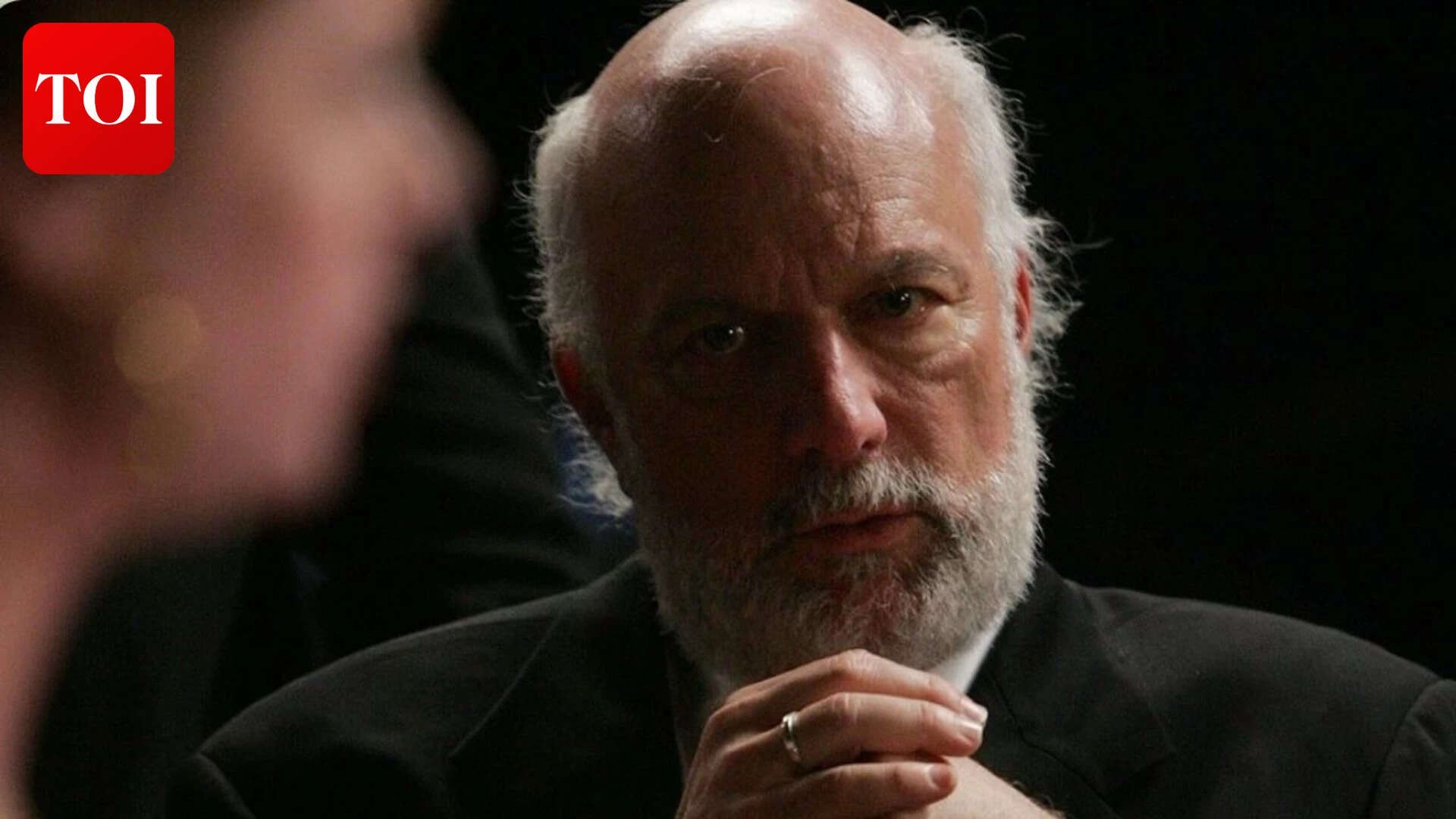
Calling himself a “theater rat”, Burroughs believed that great comedy had to work on the stage before it worked on the screen. Image Credit: (Debra Messing Instagram)
What James Burroughs Meant by ‘Theatre Rat’
When discussing his theatrical approach to directing multi-camera sitcoms, James Burroughs first said this during a 2023 interview with IndieWire. The quote expresses a philosophy he carried over more than five decades and more than a thousand episodes of television, the idea that a sitcom is, at its core, a play, performed live in front of an audience, and only secondarily a piece of film that will be edited and shaped later.What Burroughs is describing is a complete reversal of how most people imagine television comedy is made. The instinct is to assume that the comedy is created in the editing room, through clever cuts, reaction shots and timing adjustments made long after the cameras have stopped rolling. Burroughs rejected that idea outright. For him, the work happened on stage, in real time, in front of a live studio audience, just as a theater production happens every night in front of a live house. As he once put it in his 2022 memoir ‘Directed by James Burroughs’, he always followed the moment where the best script meets the best performance and the best chemistry between the performers, calling that combination the source of the sweetest and most enduring laughs, reported by CNN.
The Career of James Burroughs: From ‘Cheers’ to ‘Friends’ and Beyond
Born James Edward Burroughs on December 30, 1940, in Los Angeles, Burroughs moved to New York at the age of five and spent many years in the Metropolitan Opera Children’s Chorus before attending LaGuardia High School of Music and Art, according to CNN. By 1974, his reputation as a theater director led him to James L. Brooks and Alan Barnes offered to direct an episode of ‘The Mary Tyler Moore Show,’ and since then, he has worked almost exclusively in television, as reported by Variety.
How ‘Friends’ Cast and Others Remember James Burroughs
Debra Messing, who played Grace Adler on ‘Will & Grace,’ wrote on Instagram that Burroughs brought more laughter and love to homes around the world than any other TV director in history, adding, “Today we lost our TV dad.”Jennifer Aniston, who worked with him for years on ‘Friends,’ posted a heartfelt tribute to him on Instagram, calling him “Papa Burroughs,” writing, “The hardest thing about writing this is that you’ve spent a lifetime making people feel loved, and now it seems impossible to put all that love into a few paragraphs.” He called us his ‘children’, ‘Where are the children?’ ‘Let’s see if the kids can make a joke.’ no pressure”
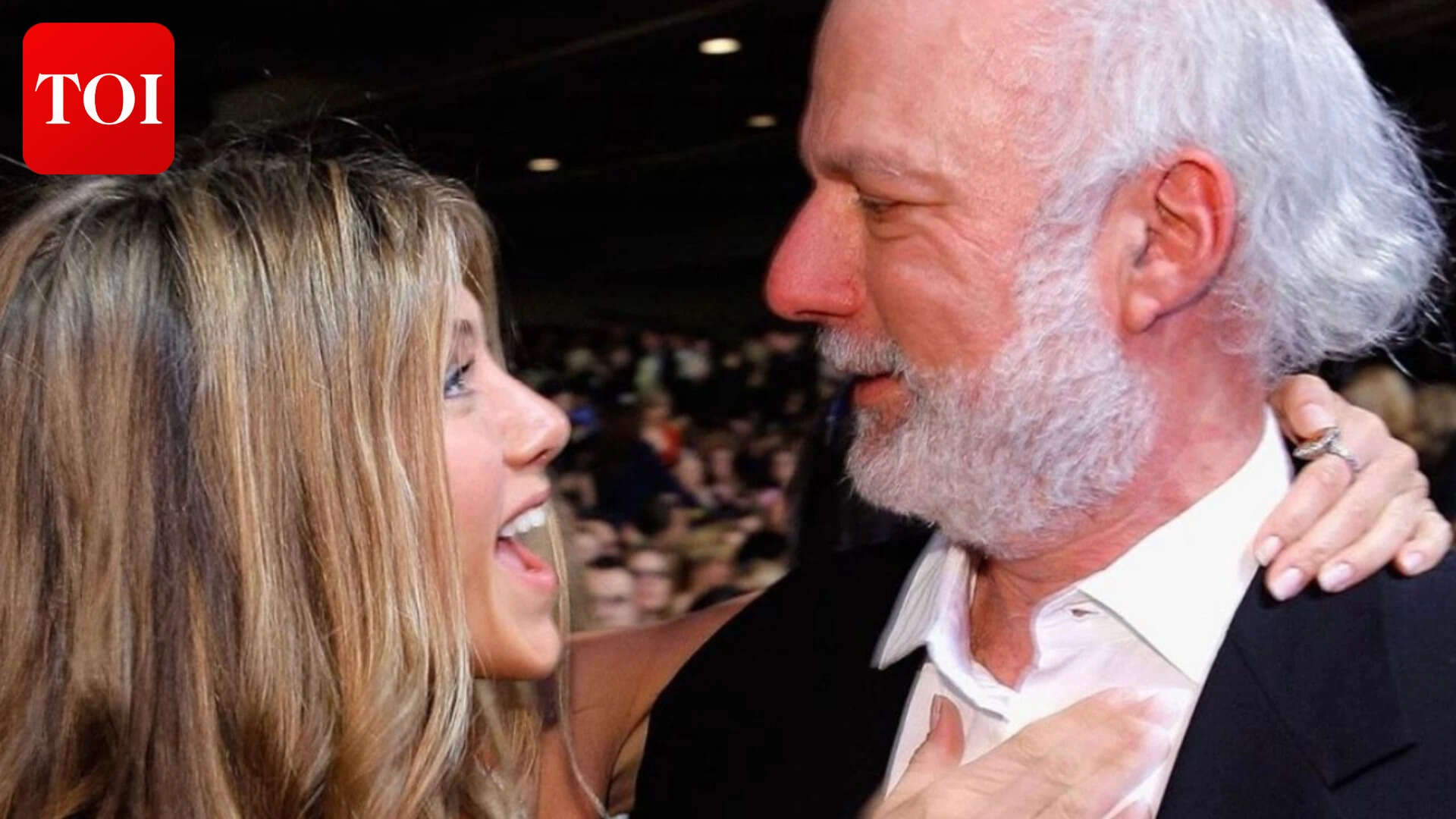
A mentor to countless actors, Burroughs believed that if a comedy worked on stage, it would work on screen—a principle he followed throughout his career. Image Credit: (Jennifer Aniston Instagram)
Tony Danza, who worked with Burroughs on seventy-five episodes of ‘Taxi,’ wrote in X, “We’ve lost the greatest of all time. Jimmy Burroughs. I know I wouldn’t be here without him.”A theater war to the very end, just as he described himself, James Burroughs spent more than fifty years proving that true comedy was never made in a cutting room. It was produced live, on a stage, with people, ‘friends’ and beyond, who trusted him completely to find laughter together. And television, for half a century, was lucky enough to watch.